This Is The Ugly Truth About Composite Door Refurbishment
The Comprehensive Guide to Composite Door Refurbishment
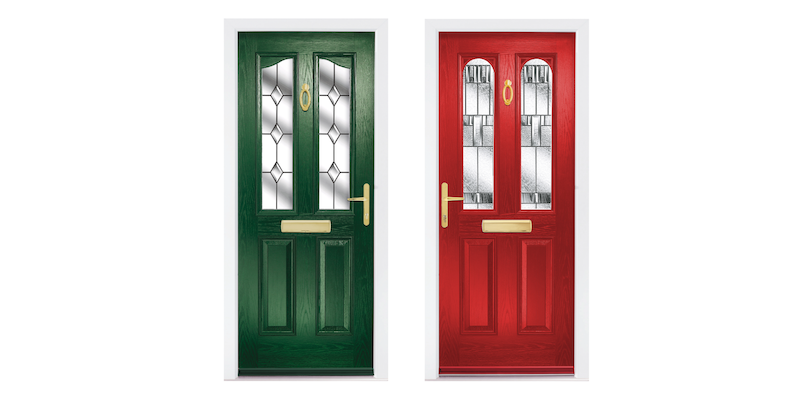
On the planet of home improvement, the term “composite door refurbishment” encompasses a crucial element of keeping and enhancing the aesthetic appeal, performance, and security of homes. Composite doors, made from a mix of products such as wood, uPVC, and insulating foam, are renowned for their durability, thermal efficiency, and low maintenance requirements. However, like any structural component of a home, they can show wear with time. This article checks out the importance, methods, and advantages of reconditioning composite doors, while also resolving regularly asked concerns.
Why Refurbish Composite Doors?
1. Aesthetic Appeal: One of the main reasons property owners opt to recondition their composite doors is to bring back or improve appearance. Over time, direct exposure to elements can lead to fading or discoloration. With refurbishment, owners can upgrade the appearance of their doors without the expense of complete replacement.
2. Improved Performance: As doors age, their seals can deteriorate, leading to drafts and energy ineffectiveness. Refurbishment can resolve these issues, restoring the door to its original performance levels.
3. Cost-Effectiveness: Refurbishing a composite door is usually cheaper than a total replacement. This makes it a practical choice for those seeking to maintain their home without undergoing a considerable financial expense.
4. Ecological Benefits: Refurbishing contributes to sustainability by minimizing waste. Instead of discarding an old door, refurbishment keeps it in usage, lessening the demand for new materials.
Secret Steps in Composite Door Refurbishment
Refurbishing a composite door typically includes several important actions. Listed below, we detail a simple technique to finish this procedure effectively:
Step 1: Assessment and Inspection
Before starting refurbishment, an extensive assessment of the door is fundamental. Homeowners ought to check for:
- Signs of wear, such as scratches, dents, or fading paint.
- Damage to the seals or locking mechanisms.
- Any indications of rot or bug problem (particularly if the door has wooden components).
Step 2: Cleaning
Cleaning the door is crucial in preparing it for refurbishment. Homeowners can use a mix of moderate soap and water, together with non-abrasive fabrics, to thoroughly clean the door. A mild scrub can remove dirt, grime, and mildew, exposing any surprise damage.
Step 3: Repairs
When the door is tidy, any required repairs must be addressed. This may include:
- Replacing or fixing door seals to improve insulation.
- Repairing or replacing hinges as required.
- Retouching paint or varnish where needed.
Step 4: Repainting or Re-staining
Depending upon the desired finish, homeowners can either repaint or re-stain the door:
For painting: Choose an ideal exterior-grade paint that complements the general home color design. Dry completely before using a 2nd coat.
For re-staining: Use a quality wood stain that secures and enhances natural features, followed by a protective sealant.
Step 5: Final Inspection and Maintenance Tips
After refurbishment, house owners ought to conduct a final inspection to ensure all components are secure and practical. Repair My Windows And Doors , such as lubrication of hinges and checks on weather condition seals, can extend the door's life-span.
Advantages of Composite Door Refurbishment
The refurbishment of composite doors offers multiple advantages for property owners:
Extended Lifespan: Routine refurbishment can significantly extend the life of a composite door, making sure that it continues to supply security and insulation for many years.
Cost Savings: By going with refurbishment rather than replacement, homeowners can conserve a considerable amount on installation and material costs.
Style Personalization: Refurbishment allows homeowners to customize their door's look, transforming it to match developing style choices or contemporary style patterns.
Increased Property Value: A well-refurbished door not only improves curb appeal however can likewise increase the worth of the home when presented on the marketplace.
Comfort: Knowing that a reconditioned door is secure and properly insulated supplies peace of mind, specifically for house owners concerned about energy efficiency and security.
Often Asked Questions (FAQs)
Q1: How typically should I refurbish my composite door?
A1: While the frequency of refurbishment can differ, typically it is suggested to assess your door every 5 years. Indications of wear, such as fading or peeling, may trigger an earlier refurbishment.
Q2: Can I recondition my composite door myself?
A2: Yes, numerous property owners can perform basic refurbishment jobs themselves, such as cleaning, painting, and sealing. However, engaging a professional is advisable for extensive repairs or if electrical components are involved.
Q3: What products do I require for refurbishment?
A3: Essential products include:
- Mild soap and water for cleaning up
- Exterior-grade paint or wood stain
- Door seals and lubes for hardware
- Sandpaper or wood filler for surface repairs
Q4: How can I prevent further deterioration after refurbishment?
A4: Regular maintenance is essential. This may include regular cleansing, checking seals for wear, and guaranteeing hinges are oiled. Keeping the door devoid of debris, specifically in locations vulnerable to moisture, can also assist.
Composite door refurbishment is an essential practice for house owners wanting to preserve the durability, effectiveness, and visual appeal of their entrances. With a little effort and the right tools, composite doors can easily be rejuvenated, conserving expenses and lowering waste while adding to the total worth of a home. As a financial investment in both beauty and functionality, reconditioning composite doors shows to be a sound decision for any property owner.